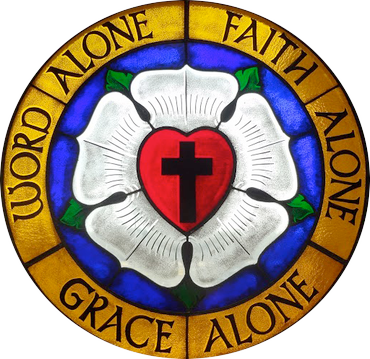
Forgiven and Free: A Lutheran Method for Escaping the Pornography Trap
“So if the Son sets you free, you will be free indeed.” — John 8:36
Why This Method Works
“You will know the truth, and the truth will set you free.” — John 8:32
This book works because the truth sets you free. Not willpower. Not accountability software. Not shame. Truth.
Pornography is a lie. It promises pleasure and delivers emptiness. It promises intimacy and produces isolation. It promises relief and creates the very anxiety it claims to cure. And behind every lie stands the father of lies — the devil, who has been a liar from the beginning (John 8:44).
You are not trapped because you have an unbeatable addiction. You are trapped because you believe a lie — that the chemical reaction happening in your body is too powerful, that the cravings are too strong, that you are too weak, that this is just who you are now. That is the lie.
The truth is: porn does nothing for you. The slight physical withdrawal — the “little monster” — is so mild you barely notice it in any other context. What keeps you trapped is the brainwashing — the “big monster” — the web of false beliefs that tells you porn is your friend, your comfort, your reward, your escape. It is none of these things. It is a trap.
And here is the Gospel: you don’t have to defeat this trap through the strength of your own will. Christ has already defeated it. In your Baptism you were buried with Him and raised to new life. You are not defined by your sin. You are defined by His forgiveness. The Law tells you what you must do and leaves you to fail; the Gospel tells you what Christ has done and sets you free.
Sin is a lie. Porn is a lie. The devil is the father of lies. And lies collapse when they meet the truth.
You are forgiven. And you are free.
Why NoFap, Paid Programs, and Accountability Culture Don’t Work
If you’ve tried to quit pornography before, you’ve probably encountered some combination of the following: NoFap communities, paid recovery programs, accountability software, day-counting apps, and online courses that charge monthly fees to teach you how to stop. Some of these are well-intentioned. Some are explicitly Christian. Some even preach the Gospel.
They still don’t work. Here’s why.
They treat porn as something you’re giving up. Every one of these approaches — even the good ones — operates on the assumption that pornography provides a genuine pleasure or benefit that you must learn to live without. NoFap frames quitting as an act of heroic self-denial: count the days, celebrate streaks, mourn relapses. Paid programs sell you ongoing support because the assumption is that the fight never ends. Accountability software watches you like a parole officer because the assumption is that you want to offend and must be restrained.
All of these reinforce the central lie: that porn gives you something real, and freedom means learning to go without it.
This is a theology of the Law wearing different clothes. Whether the message is “be disciplined” (NoFap), “follow our program” (paid services), or “resist temptation through accountability” (church culture), the underlying structure is the same: here is what you must do — now do it. The Law cannot save. It never could.
Day-counting keeps you enslaved. When you count days since your last “relapse,” you are defining your entire identity by your relationship to pornography. Day 1, Day 30, Day 90 — every number is a measurement of distance from porn, which means porn is still the center of your universe. You haven’t been set free. You’ve been put on a leash. A longer leash is still a leash.
Paid services have a financial incentive to keep you struggling. This is not necessarily cynical — many of these organizations are run by sincere Christians who genuinely want to help. But a program that charges you monthly for ongoing recovery has a structural problem: your freedom is their lost revenue. The model itself assumes you will need help indefinitely. It is recovery as subscription service.
Even gospel-focused programs like Setting Captives Free — which teach excellent biblical truth — often still frame the battle in terms that reinforce the trap. Counting days. Viewing pornography as a powerful pleasure you must resist by replacing it with the “greater pleasure” of Christ. But this still concedes the lie. Pornography is not a great pleasure that must be outcompeted. It is a nothing — a vacuum pretending to be a feast. You do not need a greater pleasure to replace it any more than you need a greater pleasure to replace hitting yourself in the head with a hammer. You just need to see clearly what the hammer is doing.
This book is free because freedom is free. Christ does not charge a subscription. The Gospel is not a 12-week course. You were set free in your Baptism — for free, by grace, through faith. This book asks nothing of you except that you read it and let the truth do its work.
A Note Before You Begin
DO NOT SKIP CHAPTERS.
When opening a combination lock, you have to enter the numbers in the right order. Freedom from addiction is no different.
This book will enable you to stop using pornography — not through willpower, not through guilt, not through gritting your teeth and white-knuckling your way through life — but through understanding the trap you’re in and receiving the freedom Christ has already won for you.
This is an adaptation of the EasyPeasy Method (itself adapted from Allen Carr’s EasyWay to Stop Smoking) reframed through the lens of Lutheran theology. The original method’s core insight is brilliant: pornography addiction is sustained not primarily by chemical dependency but by brainwashing — a web of false beliefs about what porn does for you. Remove the false beliefs, and the addiction collapses.
What Lutheran theology adds is the reason this works and the foundation on which your freedom stands. The Law — rules, willpower, guilt, fear tactics — has never freed anyone from sin. It was never designed to. The Law shows us our sin; only the Gospel delivers us from it. If you have tried to quit porn through sheer determination and failed, you have not discovered that you are weak. You have discovered what St. Paul, Martin Luther, and every honest Christian has known: the Law cannot give what it demands.
But Christ can. And Christ has.
The method described in this book is:
- Gospel-centered, not Law-driven.
- Equally effective for the heavy and casual user alike.
- Causes no terrible withdrawal pangs.
- Needs no willpower.
- Requires no shock treatment, accountability software gimmicks, or scare tactics.
- Will not cause you to replace this addiction with other addictions.
- Permanent.
You might find this impossible to believe. Read on.
Important Changes from the Original
The original EasyPeasy method instructs readers to continue using pornography while reading the book. This is unchristian counsel. St. Paul writes: “Shall we go on sinning so that grace may increase? By no means! We are those who have died to sin; how can we live in it any longer?” (Romans 6:1-2).
However — and this is crucial — if you stumble while reading this book, do not throw the book away. Do not let the devil convince you that a fall disqualifies you. The thief on the cross had nothing to offer but his sin, and Christ welcomed him into paradise that very day. Pick up the book and keep reading. Your failures do not define you; your Baptism does.
The instruction is not “keep sinning” but rather “do not let fear of failure prevent you from reading.” There is no precondition to receiving what this book offers. You don’t have to earn your way to freedom. You don’t have to achieve a certain “streak” before you’re worthy of understanding. Come as you are.
How to Read This Book
Read it straight through, relatively quickly. Most people can finish it in a few hours. Highlight, take notes, and plan to re-read it. The chapters build on each other — skipping ahead will undermine the method.
DO NOT SKIP CHAPTERS.
You have nothing to lose and everything to gain.
In Christ, Soli Deo Gloria
Table of Contents
- Introduction — Why This Book Exists
- The Easy Method — A New Frame of Mind
- Why Is It Difficult to Stop? — The Sinister Trap
- The Neuroscience of the Trap — Dopamine, Novelty, and the Reward Circuit
- The Little Monster — Understanding Physical Withdrawal
- The Backward Mechanism — Why Porn Gets Credit for What It Causes
- Crossing the Red Line — Tolerance, Escalation, and Desensitization
- The Big Monster — Brainwashing and the Devil’s Lies
- Law Cannot Save — Why Willpower Is a Theology of Glory
- Deconstructing the Lies — Stress and Relaxation
- Deconstructing the Lies — Boredom, Concentration, and Energy
- What Am I Giving Up? — Absolutely Nothing
- The Void — Porn Doesn’t Fill It, It Creates It
- The Willpower Method in Detail — Romans 7 Without Romans 8
- Beware of Cutting Down — The Porn Diet Trap
- Just One Peek — The Serpent’s Oldest Lie
- Casual Users and the Illusion of Control
- The Social Media Trap — Feeding the Monster Through the Side Door
- Timing — When Is the Right Time? Now.
- Will I Miss the Fun? — The Envy Trap
- False Incentives and the Theology of the Cross
- The Easy Way to Stop — Gospel Freedom
- The Withdrawal Period — Three Weeks to Freedom
- Freedom Is a Promise, Not a Feeling
- The Solemn Vow
- When You Stumble — Confession, Absolution, and Rising Again
- Living Free — Baptismal Identity and the Means of Grace
- Help Those on the Sinking Ship
- For Partners and Loved Ones
- The Checklist, Gospel Affirmations, and Resources
Resources
- Why Lutheranism: Assurance, Despair, and the Architecture of Salvation — Why the theological tradition behind this book matters, and how Reformed theology generates the very despair that keeps people enslaved.
- A Guide to Private Confession and Absolution — What Luther taught, why it matters for pornography, and what to expect when you go.
- Scripture and Catechism for the Moment of Temptation — Gospel passages and Catechism quotes organized by the lie you’re facing, with a rapid-response guide.